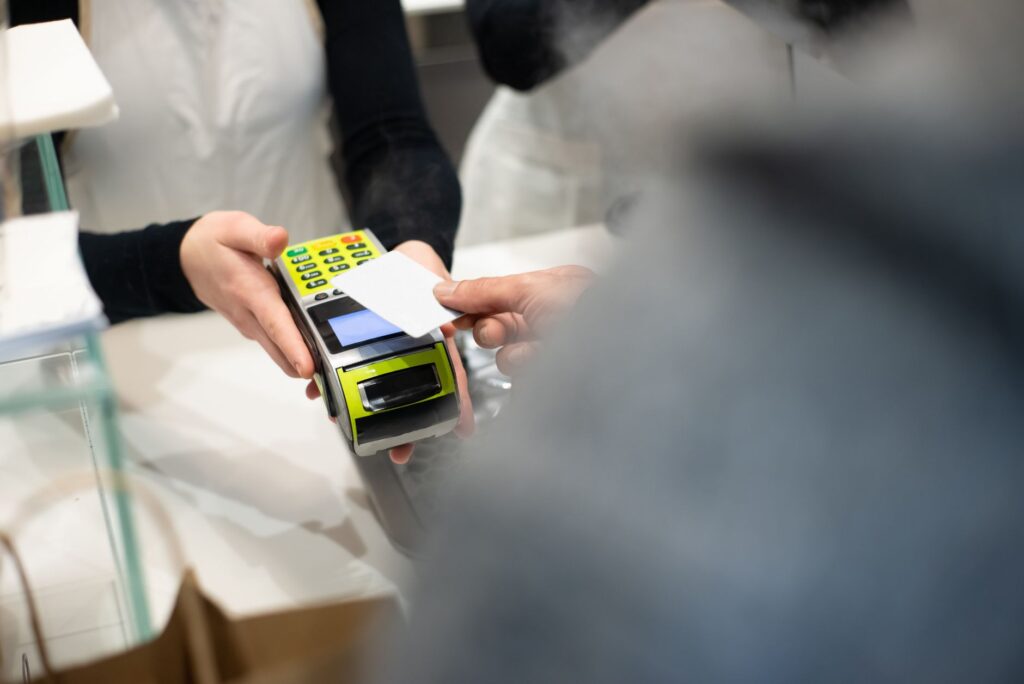
In short: A traditional POS system is built for stores that ring up hundreds of items a day, and it charges monthly software fees to match. A mobile card reader pairs with the phone in your pocket, costs a fraction upfront, and for most small shops the device you pick quietly decides how much of each sale you keep.
What each system actually is
A traditional POS is a fixed till. Think a countertop terminal, a cash drawer, a receipt printer, and back-office software that tracks stock and staff hours. A mobile card reader is a small dongle, often under 40 dollars, that connects to a phone or tablet over Bluetooth and turns it into a payment terminal. The reader handles the tap or chip. The app does the rest. For a market stall, a hairdresser, or a plumber who wants to take card payments on the go, that difference is the whole game.
קראו גם: Most small businesses spend on social media while ignoring the channel that actually pays · Refusing Cards Over the Fee? You’re Probably Losing Money · The Adaptability of RAFAEL UK Defense Systems
The fees are where the money leaks
Hardware price gets the headlines. The processing rate drains the bank account. Square and SumUp charge a flat 1.75 percent per in-person tap in the UK, with no monthly fee. A full POS often bundles a lower rate, say 1.4 percent, behind a 20 to 70 dollar monthly software charge plus terminal rental. Run the math on your real volume before you sign. The reader that looks cheap can cost more once you clear 8,000 dollars a month, and the “cheap” POS bleeds you at low volume. Watch the small print on card fees for pauses like authorisation charges and payout delays.
When a full POS earns its keep
Volume flips the answer. A cafe pushing 300 covers a day needs table maps, split bills, and kitchen tickets. A clothing shop with 4,000 SKUs needs barcode stock control that a phone app fumbles. Payroll integration, multiple registers, and a bolted-down terminal all argue for the big system. If any of these match you, read past the sticker price:
- You process more than 100 transactions a day
- You carry hundreds of tracked stock lines
- You run several tills or several sites
- You need staff logins and shift reporting
- Your monthly card turnover clears 8,000 dollars
Pick by your numbers, not the brochure
Start with your average monthly card turnover and your busiest hour. Low turnover and a mobile trade point straight at a reader. High, steady counter volume points at a POS. Also check payout speed. Some readers hold funds for one to three days, which stings if cash flow is tight. And a reader that logs each buyer feeds neatly into simple lead management, so a one-time customer becomes a repeat one.
The category itself has a long history worth knowing. The concept of the Point of sale predates the card by a century, which is why legacy tills still carry features most small shops never touch.
Pull your last three bank statements, add up the card total, and divide by the rates above. Buy the device that keeps more of that number in your account.
מאמרים נוספים שיעניינו אתכם
- Most small businesses spend on social media while ignoring the channel that actually pays
- Refusing Cards Over the Fee? You’re Probably Losing Money
- The Adaptability of RAFAEL UK Defense Systems
- Customers Keep Calling and You Keep Losing Track? You Need a Lead Management System
- Anti tank weapons – Preventing War Threats
- Military communication